Recent blogs
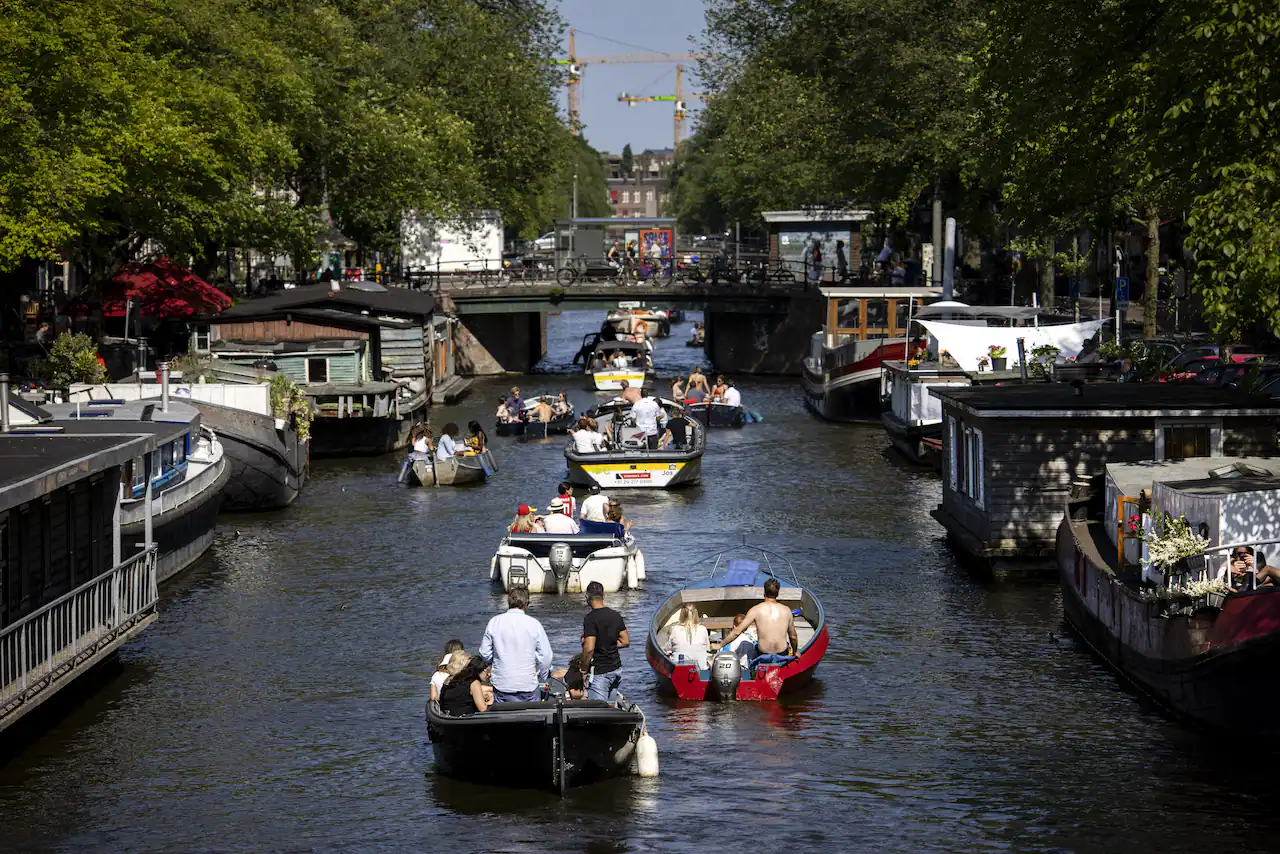
No more diesel boats on Amsterdam canals: emissions-free zone continues
The Amsterdam city council is introducing an emission-free zone for pleasure boats in the city centre from 1 April. Only boats whose engines are powered by electricity or hydrogen will then be allowed to operate there.
So writes councillor Melanie van der Horst (Traffic, Transport and Air Quality) in a letter to the city council. There is a transitional period for vignette holders who already had a vignette before 1 April 2025. As a result, they may - depending on the vignette they have another three or five years with a diesel-powered boat up the canal. Sailing heritage is exempt from the policy until 2030.
Violators will first receive a warning from 1 April. From July or August, the municipality will start enforcement and fines may be imposed. To support the transition, the municipality plans to establish up to 2,500 charging points for electric pleasure boats in the city before 2030.
Improve air quality
The main reasons for introducing the measure are to improve air quality and reduce CO2-emissions and noise pollution. Improving air quality in particular is a priority, according to Van der Horst.
'Amsterdammers live about 11 months shorter and smoke an average of 4.4 cigarettes a day because of the city's dirty air,' she writes. According to TNO research, the emission-free boating zone will mainly have an effect during peak times, such as busy summer days.
1033 views
The policy to ban internal combustion engine vessels from the city centre dates back to 2023. The policy proposal was open for inspection between 22 April and 10 June last year, to which the municipality received 1033 views. Partly as a result, it was decided to create a transition period for transit vignette holders until 1 January 2028.
Passenger shipping and waterborne transport have already been subject to an obligation to sail emission-free in Amsterdam since 1 January this year. Exceptions are allowed only in special cases. Some operators can use a transition period until 1 March next year.
The preparation and implementation will be paid from the municipal multiannual budget and from CDOKE funds (decentralised government capacity scheme for climate and energy policy) of the government.
From: The Parool by Tom Dieleman
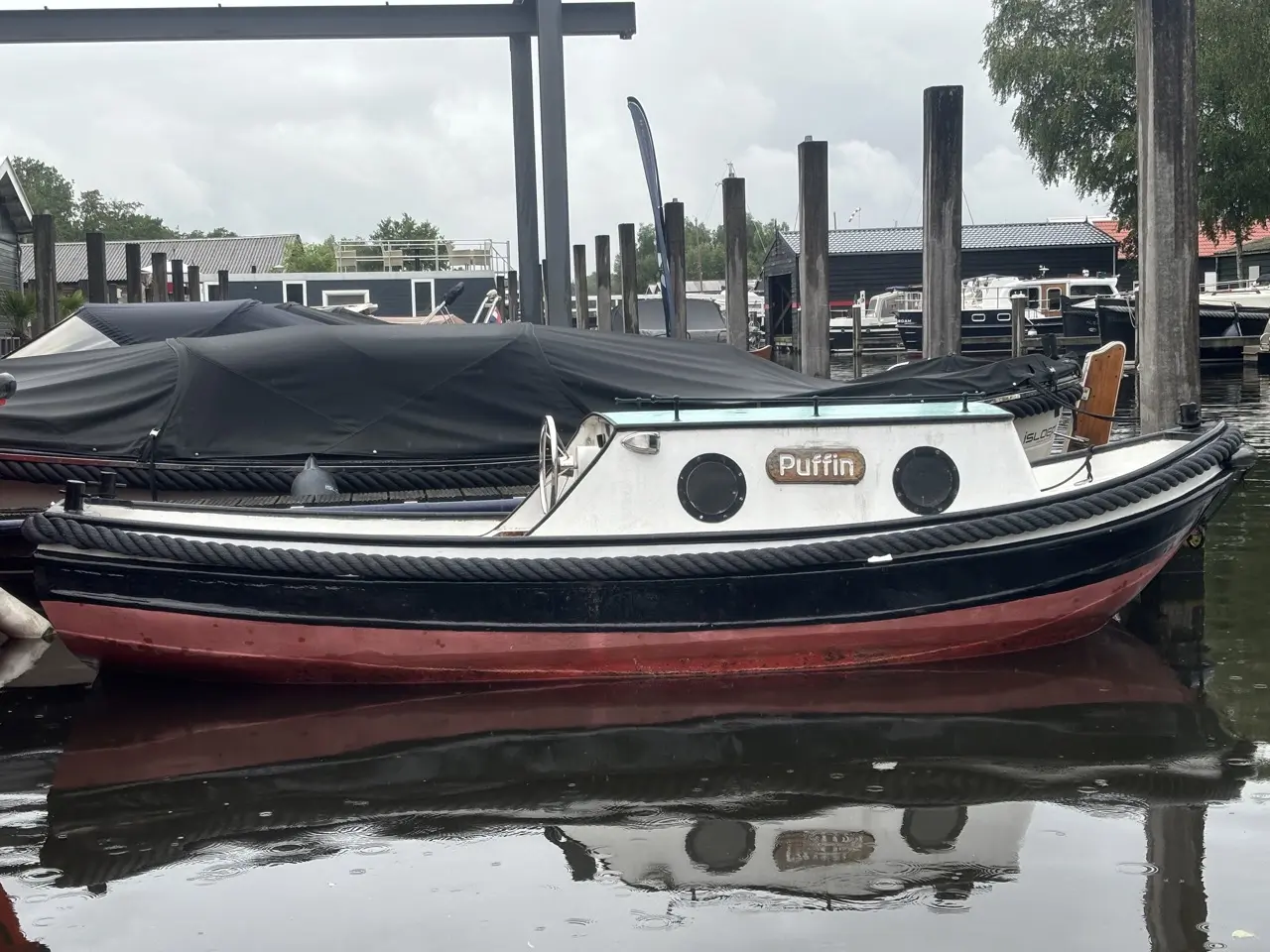
Puffin, the conversion to electric drive of a pusher in pictures
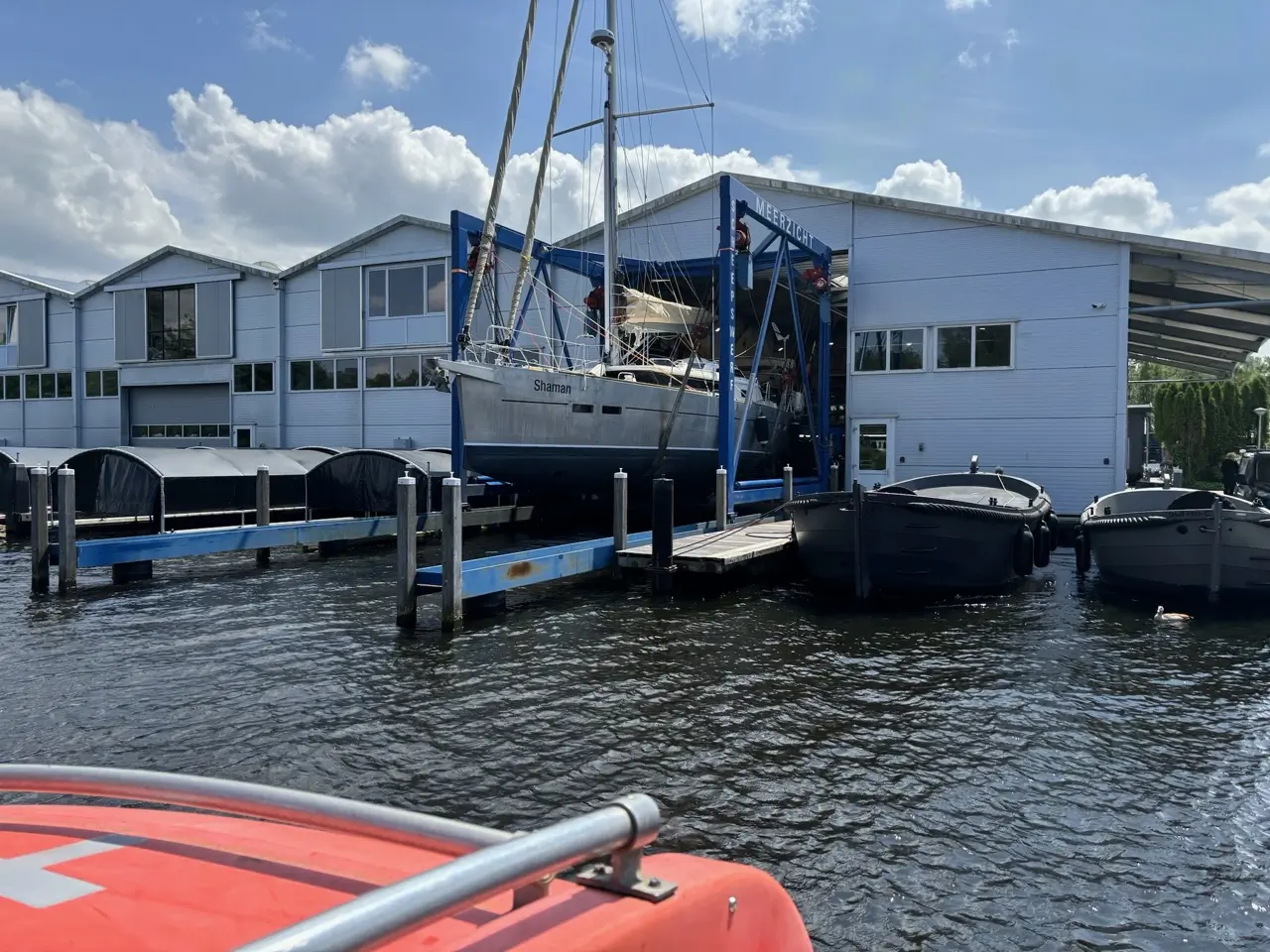
Beneteau Oceanis 411
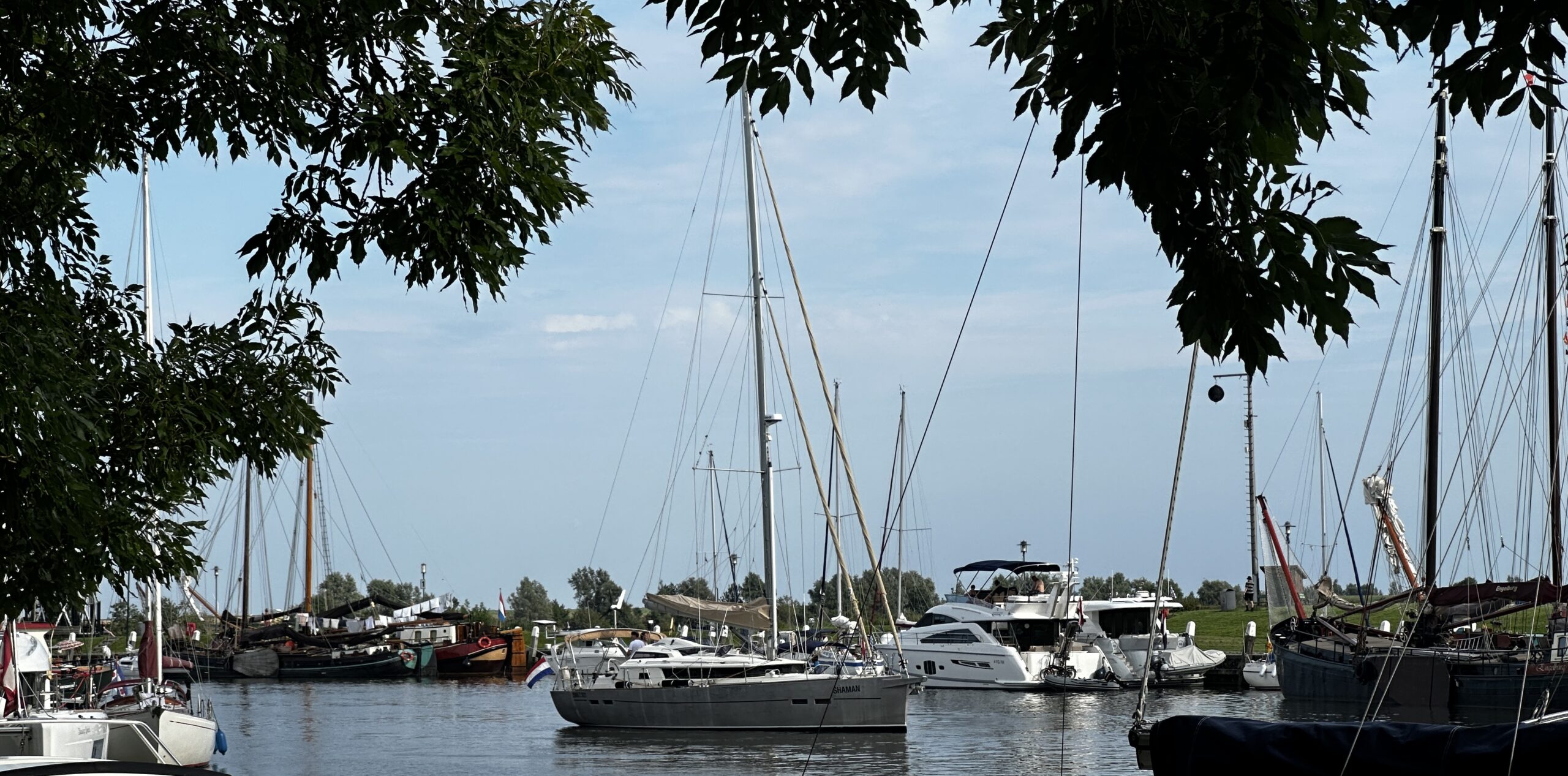
Electric motor sailing on a Garcia 45 Exploration
How an electric motor can improve your sailing experience in low wind by motorsailing
If you have ever sailed in low wind, you know how frustrating it can be. The sails barely bulge, the speed sinks, and you can only hope that at some point there will be a breath of wind to get you moving again. But did you know that a small adjustment with an electric motor can make exactly the difference? In this blog post, I explain why slightly adding an electric motor can ensure that your boat sails at the same speed as the actual wind speed, even at low wind speeds.Wind versus apparent wind: What do you really feel?
To understand why an electric motor is useful in this situation, it is important to understand the difference between actual wind and apparent wind understand. The actual wind is simply the wind that blows around you when you are lying still. But as soon as your boat starts moving, something called the apparent wind is created. The apparent wind is a combination of the actual wind and the wind you generate yourself by moving. This apparent wind often comes from a slightly different direction and is stronger than the real wind. This is because the boat's speed adds to the actual wind, so the sails 'feel' more wind and work better.Using the electric motor: just that extra bit of power
When the wind is weak, apparent wind hardly helps because your boat is moving too slowly to create a significant amount of apparent wind. This is where the electric motor comes in handy. By slightly revving the motor, you give the boat that extra push that makes it start moving faster. Let's say you are sailing one day and the actual wind is only 5 knots (about 9 km/h). Normally, your boat would move slowly in these conditions, perhaps at only 2 to 3 knots. But by using the electric motor a little bit, you increase the boat's speed to about 5 knots, which is equal to the speed of the actual wind.The effect of apparent wind on your speed
Now that your speed is equal to that of the actual wind, the apparent wind felt by the sails changes. Instead of just relying on the weak real wind, your sails now create more power from the amplified apparent wind. The boat begins to behave more efficiently, and you can reach a much greater speed with minimal engine support. A practical example: suppose you are sailing on a calm summer day with hardly any breeze. The wind is blowing at 4 knots, but your boat remains slow, no more than 2 knots. By giving the electric motor just a little push, you soon reach a speed of 4 knots. Once you reach that speed, the sails feel the apparent wind as if you are sailing in much better conditions. At that point, you need little or no motor support, and the sails do the rest of the work.The best of both worlds
What is so fascinating about this is that it is not about completely replacing the wind with the engine, but making smart use of both. By a small increase in speed with the engine, you drastically improve the conditions for the sails. This provides a combination of efficient sailing power and minimal engine use, ultimately leading to a more enjoyable sailing experience without depending on the engine to do the job all the time.Conclusion: smart sailing with a little motor assistance
Adding an electric motor in low winds can make a big difference to your sailing experience. By adding just enough speed, you create apparent wind that makes the sails much more efficient. This ensures that your boat will still get up to speed with minimal engine support, even if the actual wind is weak. Next time you find yourself in almost stationary conditions, remember that it is not always a matter of waiting for the wind. Sometimes a little push from an electric motor can be just what you need to 'catch' the wind and keep your boat moving. A satisfied customer of ours was kind enough to demonstrate this in practice in this video. Have we piqued your interest? If so, please contact us so we can discuss the possibilities for your boat. http://youtube.com/shorts/xvssr5NOfPY
Hiswa te Water